

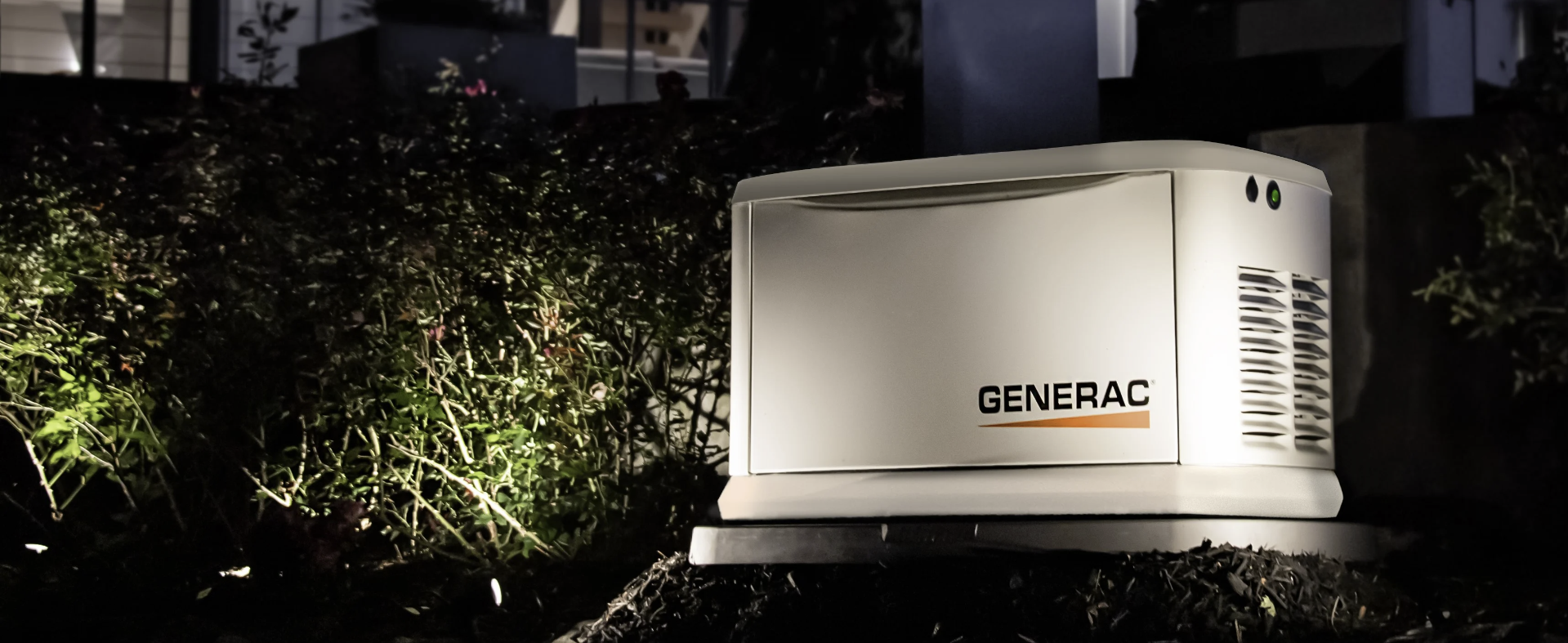
generator installation & maintenance
With over 14 years in the electrical trade, our team provides precise and professional generator installations for both residential and commercial projects. Whether you need help purchasing and installing a new generator or want us to install one you've already bought, we've got you covered.
CONTACT US for a precise and professional generator installation.
keep the power on, no matter what.
COMPREHENSIVE SERVICE
From assessment to installation and compliance, we offer a full-service solution tailored to your needs.
PROVEN TRACK RECORD
Our history of successful projects, even under challenging conditions, speaks for itself.
CUSTOMIZED SOLUTIONS
We design and implement systems that fit your unique requirements, whether you need natural gas or diesel.
LOCAL KNOWLEDGE
Based in Regina, we understand local regulations and climate considerations for generator installations.
RELIABLE SUPPORT
We provide ongoing maintenance and support to keep your generator in peak condition.
TRANSPARENT PRICING
Clear, upfront pricing with no hidden costs ensures you get the best value.
COMMITMENT TO QUALITY AND SAFETY
We uphold strict standards to ensure top-notch workmanship and safe operation, and we source our generators from top-quality brands like Generac and Cummins.

choosing the right standby generator
-
Advantages:
Natural gas is often readily available and does not require storage, as it is delivered directly through utility lines. This makes it a convenient option for locations with a reliable natural gas supply.
Natural gas burns cleaner than diesel, resulting in fewer emissions and less environmental impact.
These generators tend to have lower maintenance costs because natural gas doesn't degrade over time, unlike diesel, which can require fuel polishing or replacement.
Natural gas engines typically run quieter than diesel engines.
Disadvantages:
In the event of a natural disaster, gas lines could be damaged or disrupted, potentially leading to fuel supply issues.
The initial cost of a natural gas generator can be higher, especially if retrofitting is required for existing buildings.
Natural gas generators generally have a lower power output compared to diesel generators of the same size.
Cost Considerations:
Natural gas generators usually have a higher initial purchase price but lower operating and maintenance costs. However, these costs can fluctuate based on local fuel prices, usage practices, generator size and model, and so on. The cost and complexity of installation will vary depending on site conditions, access to fuel supply, and the electrical load requirements.
-
Advantages:
Diesel generators are known for their high power output and efficiency, making them suitable for larger installations or critical power needs.
Diesel fuel can be stored on-site, ensuring a reliable fuel supply in the event of a power outage or natural disaster.
Diesel engines are generally more durable and have a longer lifespan compared to natural gas engines, making them a robust choice for long-term use.
Disadvantages:
Diesel fuel can degrade over time, requiring regular maintenance to avoid issues such as fuel contamination or clogging.
Diesel generators are typically noisier than natural gas generators.
Diesel generators produce more emissions compared to natural gas, which could be a concern in areas with strict environmental regulations.
Cost Considerations:
Diesel generators generally have a lower initial purchase price but come with higher operating and maintenance costs. However, these can vary based on local fuel prices, usage practices, generator size and model, and so on. The cost and complexity of installation will vary depending on site conditions, access to fuel supply, and the electrical load requirements.
frequently asked questions
-
Installing a standby generator often involves significant electrical work, site preparation, and compliance with local building codes. Professional installation is recommended to ensure safety and proper functioning.
To begin, we have to prepare an area for the generator, packing and levelling soil, and either laying concrete or using concrete pads. Once the unit is landed, the electrical work can start. We add a transfer switch to the main power, this will detect voltage from SaskPower and will turn the generator on when it senses a drop in power. This transfer switch automatically starts the generator and transfers power from SaskPower to the generator. While this is going on, the gas lines can be hooked up.
-
Noise levels vary between generators. Residential areas might have noise ordinances, so quieter models may be necessary.
-
Power requirements are typically measured in kilowatts (kW). It's important to calculate the total wattage of all the devices and systems you want to power during an outage to choose the right generator size.
-
The run time of a generator depends on the fuel type, fuel tank size, and load. Knowing this helps in planning for extended outages.
-
The availability and cost of fuel can significantly impact the long-term operating costs of your generator. Natural gas is often more convenient in urban areas, while diesel might be more practical in rural settings.
Be sure to check local regulations regarding generator installation and emissions, as these can influence your choice between natural gas and diesel.
-
Some modern generators can work alongside renewable energy systems, providing backup power when renewable sources are insufficient.
-
Regular maintenance, such as oil changes, filter replacements, and fuel inspections, is critical to ensuring the longevity and reliability of the generator.
-
Warranties can vary widely between manufacturers, covering different parts for different lengths of time. A good warranty can save on repair costs and provide peace of mind.
-
Some generators can manage loads to prevent overloading, allowing essential systems to remain operational while shedding less critical loads.
want to keep the power on, no matter what?
Contact us for a precise and professional generator installation.