

Aluminum Wiring in Homes: What Homeowners Should Actually Know
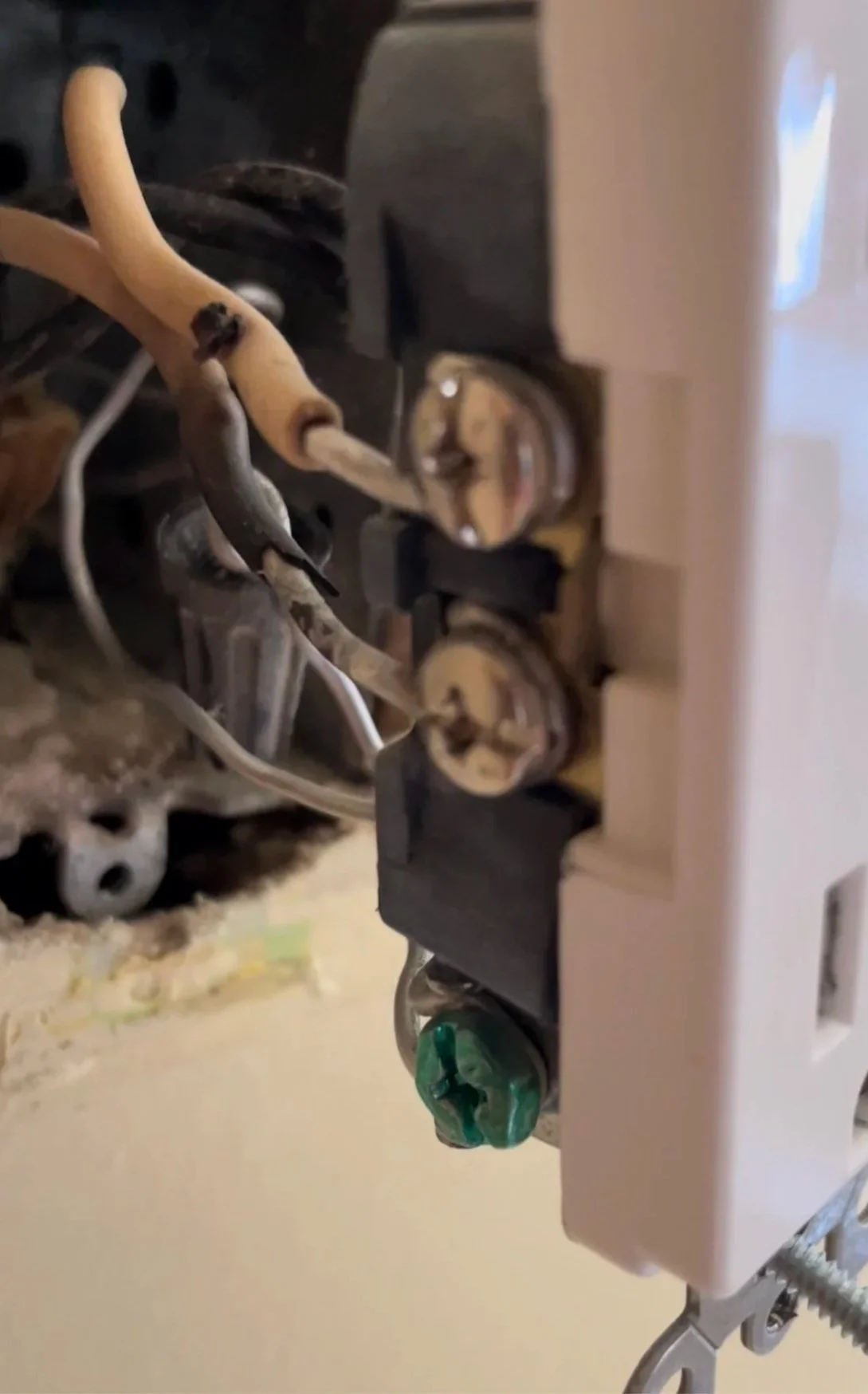
If you own a home built between the mid-1960s and late 1970s, there’s a good chance it may contain aluminum branch wiring. For many homeowners, hearing that can cause concern, especially when insurance companies start asking questions.
The good news is that aluminum wiring itself isn’t automatically dangerous. The real issue usually comes down to connections and maintenance, not the wire material.
During the 1960s and 70s, aluminum became a popular alternative to copper due to rising material costs. While aluminum works very well as a conductor, it expands and contracts more than copper when electrical loads heat and cool the wire. Over many years, this movement can cause connections at switches, outlets, and panels to loosen slightly.
When connections loosen, resistance builds. Resistance creates heat, and heat is where problems can start. Fortunately, this is a manageable issue when handled properly.
One of the most important things homeowners can do is ensure that aluminum connections are periodically inspected and maintained by a qualified electrician. At Flow Electric, we typically recommend a visual inspection of aluminum terminations about once per year, with connections re-torqued as needed. This helps ensure everything remains tight and operating safely.
Another common improvement is called pigtailing. In this process, a short piece of copper wire is connected to the aluminum conductor using approved aluminum-to-copper connectors. The copper wire then connects to switches or receptacles. This reduces long-term stress on devices and makes future replacements much simpler.
Improper splicing between copper and aluminum is one of the main causes of issues in older homes. When dissimilar metals touch without proper connectors, corrosion can develop over time, leading to loose connections and potential overheating. That’s why only approved aluminum-to-copper connectors should be used when modifications are made.
Insurance companies also tend to look at the overall electrical system, not just the wiring itself. Many homes from the aluminum era were built with 60 or 70 amp electrical services, which may be considered undersized by modern standards. In some cases, upgrading to a 100 amp or larger service may be recommended or needed for insurance or lending purposes.
Another important factor is grounding and bonding. For example, if older copper plumbing has been replaced with PEX, a home can lose part of its original grounding path. Ensuring the electrical system is properly bonded and grounded is an important safety step.
The key takeaway is this: aluminum wiring doesn’t mean a home is unsafe. When properly inspected, maintained, and documented, it can operate reliably for decades.
If you’re buying a home with aluminum wiring, or your insurance company is asking questions, Flow Electric can provide a full electrical inspection and detailed report to help you understand the condition of your system and the best path forward.
Our goal is simple: give homeowners clear information and practical solutions so they can feel confident in their home’s electrical system.
